Art & Design
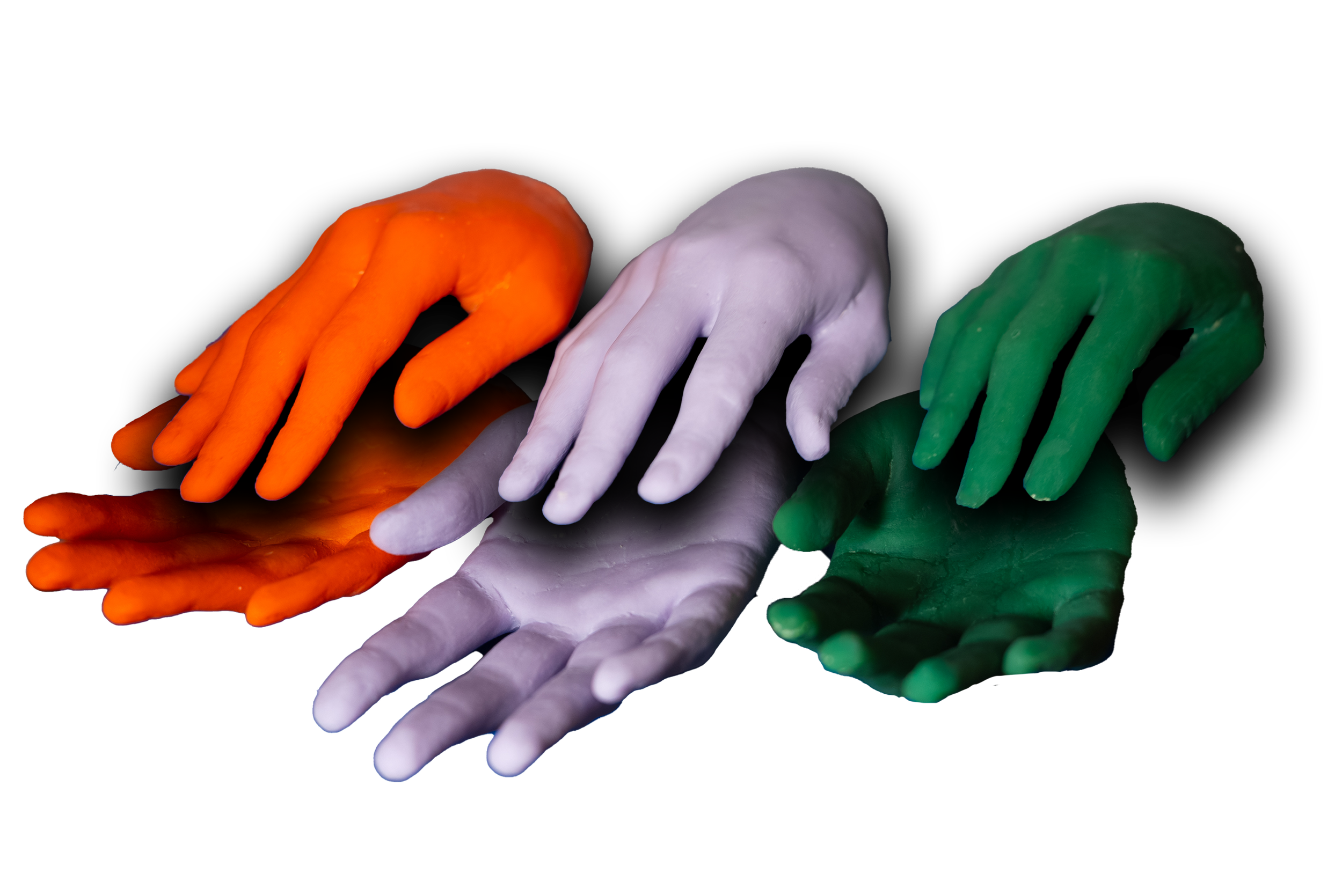
“Hand Soap” — A trio of soap sculptures formed from molds of my hand.
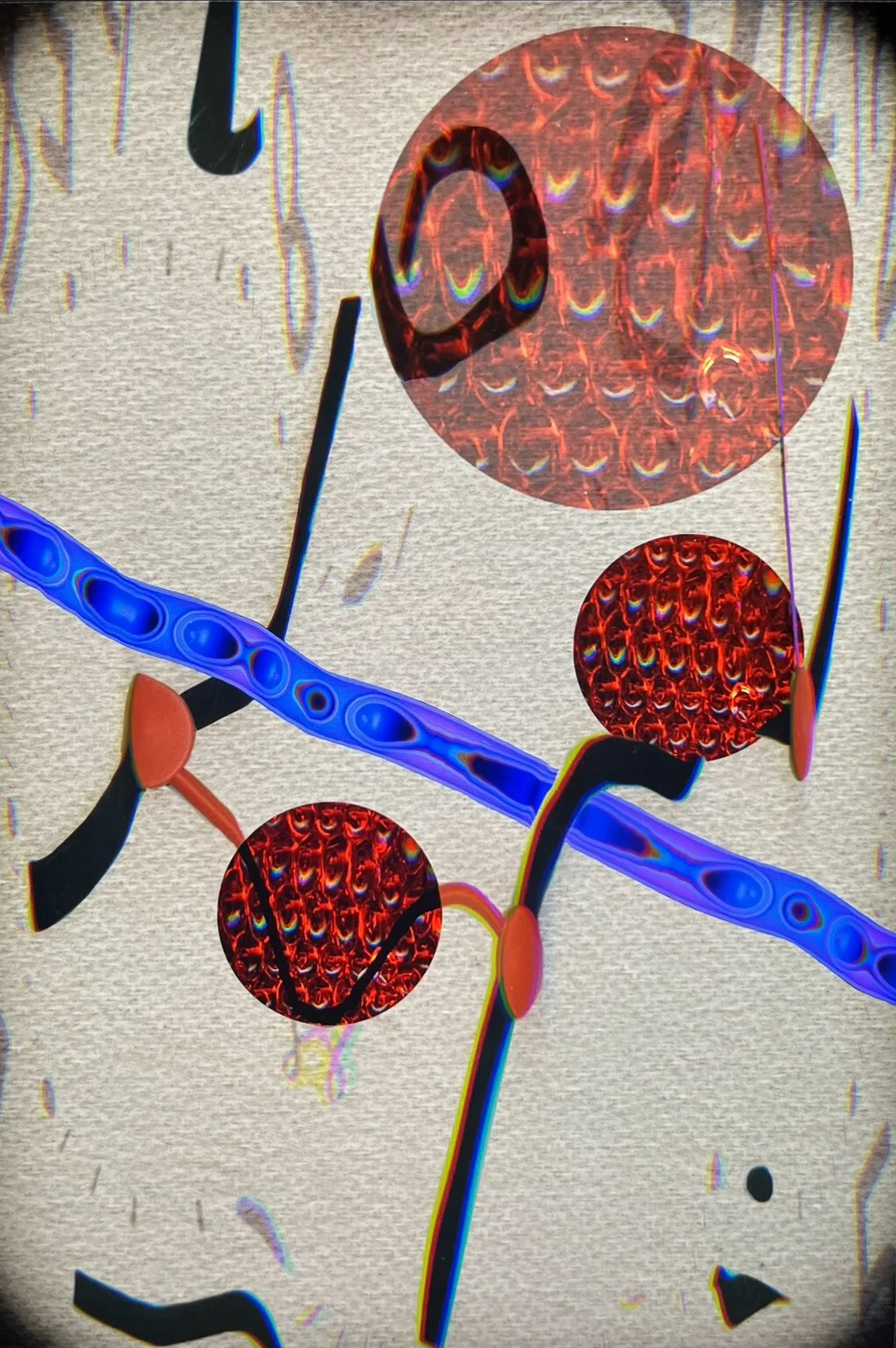
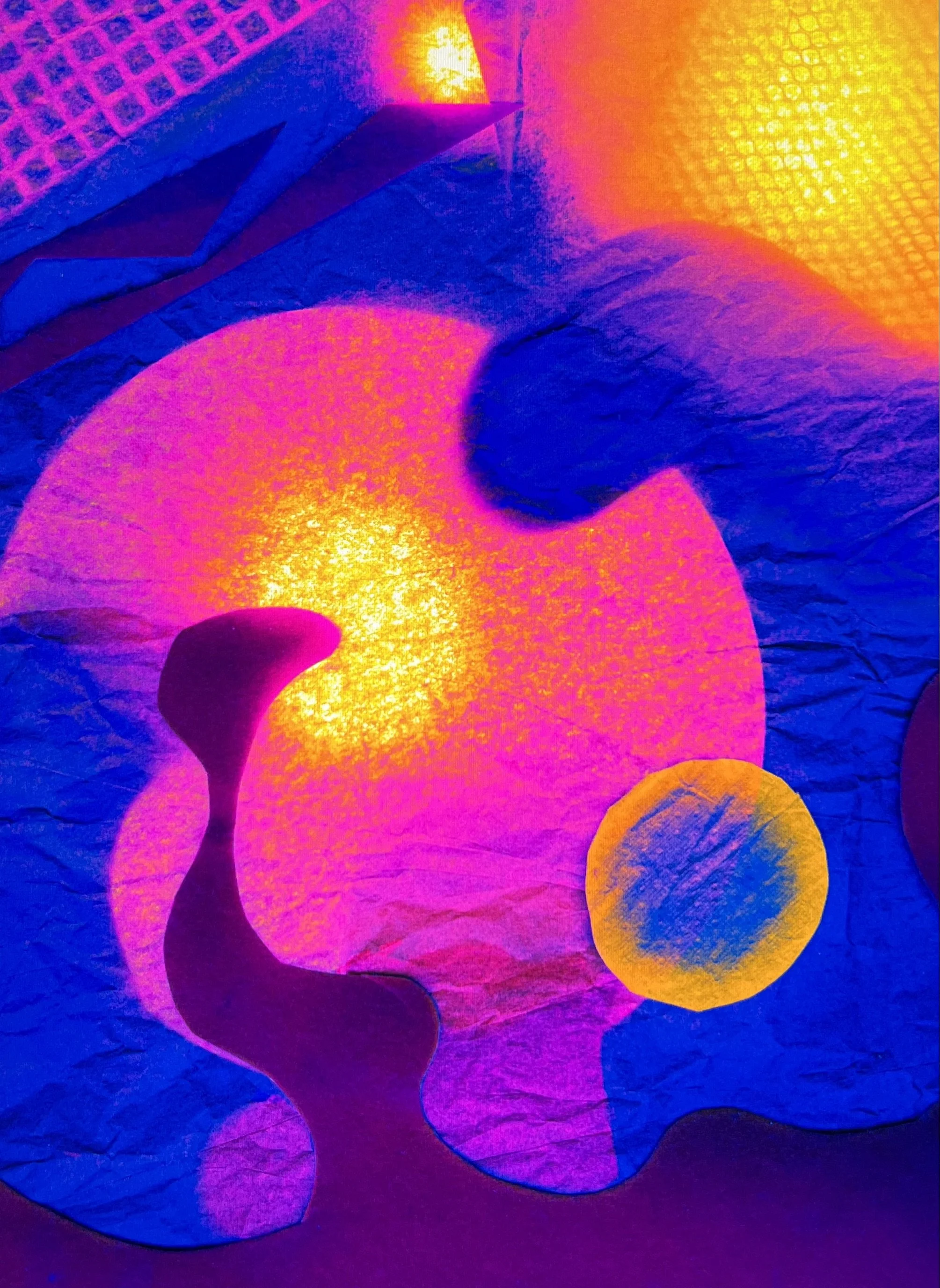
“The Clock” — Scanography, digitally composed
“Mentor” — Scanography, digitally composed
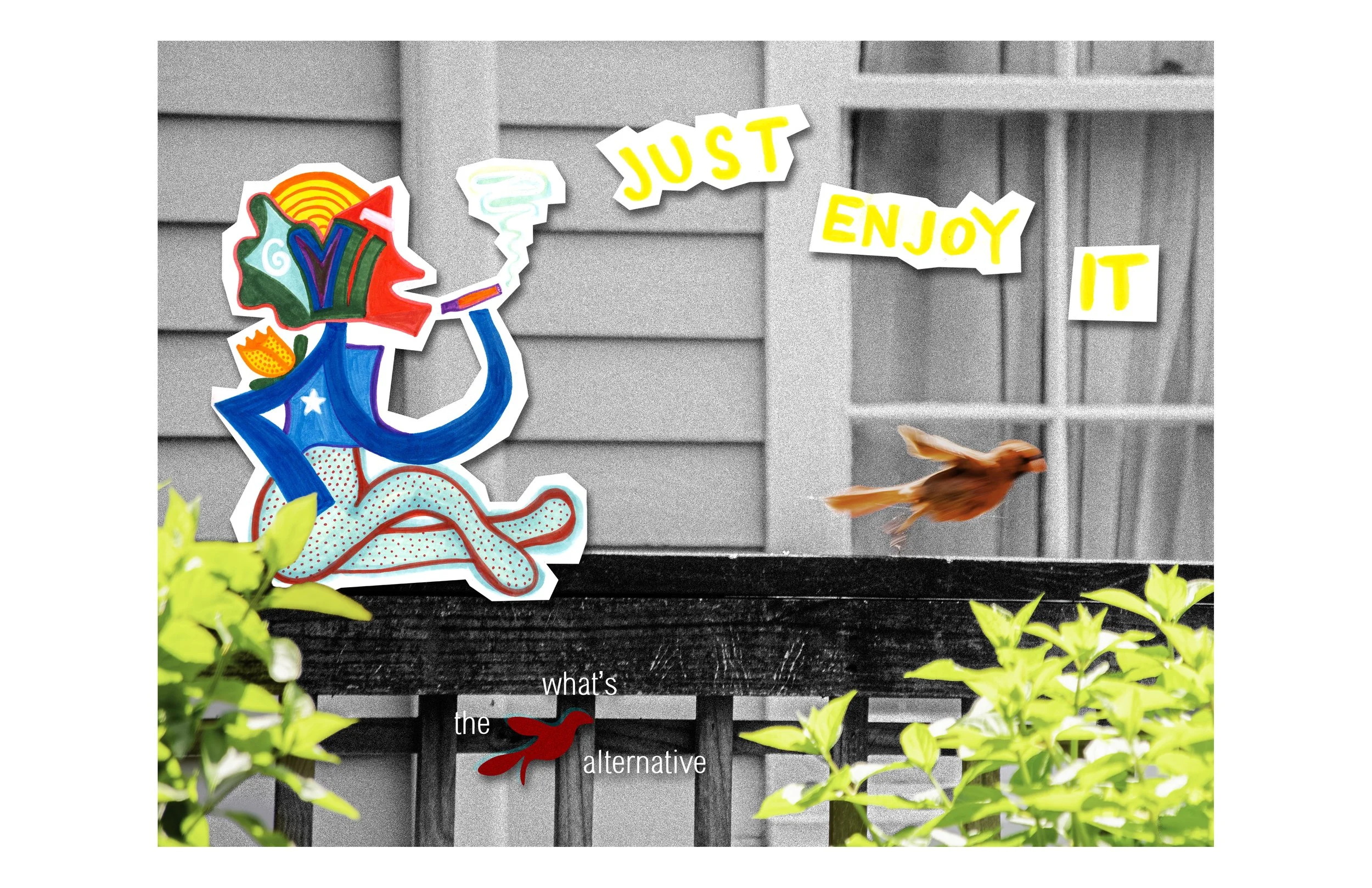
“,?” - Marker drawing, photo, digitally composed


“Skin” — Photo, digitally composed

“POW!” — Combined video stills
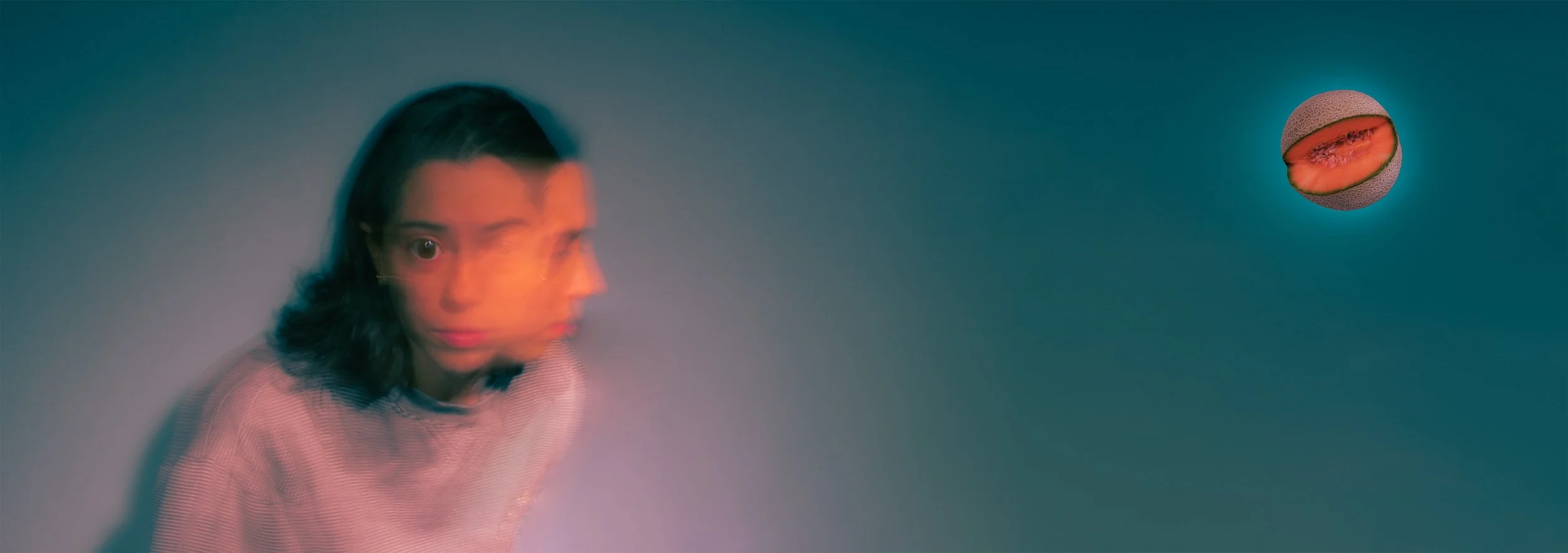
“Attributum”
adj / 1. inflection of attributes
Inspired by Baruch Spinoza’s work in Ethics, this piece explores extension and mind, the only two attributes of Nature. According to Spinoza’s philosophy, mind and body are conceptually different, but parallel to each other
The distorted person in the image represents extension and the cantaloupe represents the mind - two distinct aspects under the same underlying reality. This piece is a self-portrait I created in conjunction with my reading of Ethics, and found that the two complimented each other to the point where I felt that the philosophy became represented in the art. I was deeply struck with the assertion that, according to Spinoza, everything in
the universe is either an extended thing, or a thinking thing. While a person represents both attributes, they can be understood differently. That fascination is pictured here as my portrait expresses concepts of identity and attention, while the free-floating cantaloupe is externally conversing with the body. The figures exist in this seemingly endless blue void, allowing the viewer to focus solely on the subject matter rather than their context.
The portrait, taken in a slow shutter speed, complicates the piece and emphasizes the theme of extension, and how there can be a second side to a person that longs for something beyond their physical identity. The enlarged eye demands the
viewer’s attention, yet the subject’s attention belongs to the fruit across the screen. The hues and texture of the cantaloupe may represent brain-like characteristics. Upon a closer inspection, even the seeds of the canteloupe match the color of the individual’s lips — unifying the elements under one philosophical image.
“Attributum” is a playful, yet thoughtful and meaningful piece under the genre of magic realism. Through its impossible, yet recognizable elements, it seeks to intrigue the viewer with its themes of subconsciousness, identity, and attention. Beyond that, it is meant to artistically represent Baruch Spinoza’s parallelism doctrine about mind and body.